First the looooong history…
If you’ve been following my color course journey you know that ten years ago I met with my color analyst, John Kitchener, Director of Personal Style Counselors, to discuss the possibility of creating a book together about color analysis. The idea was to de-mystify the process and give readers the tools to understand how to have more ownership of their own coloring and their color palette, and get clear on how to use their colors.
John was extremely enthusiastic. Over the years he shared knowledge and material from his fledgling attempts at creating that book himself, but which never came to fruition. Meanwhile, I spent a year trying to get a publisher to pick up the project. Repeatedly I was told that four-color image-rich books, like what we proposed, were extremely expensive to produce and no publisher would express interest in taking that risk.
So, I came up with plan B, turning the material into an online course.
The short version of the rest of the story was that when I presented the finished project to John, he loved and raved about it. And then, three days later, completely did a 180. He said that after thinking about it, the material was proprietary to PSC and I was subject to a lawsuit if I published it.
Doing a Pivot
That will set you back a bit. And it did.
But I wasn’t going to let ten years of work go to waste. I sincerely wanted to honor John’s expertise and proprietary knowledge. After all, as I said in my first book, my color analysis with John changed my life. So I started doing my own research, extracting everything in the course that was specific to PSC’s process, and noting everything else that was not, and therefore exempt from legal hassles.
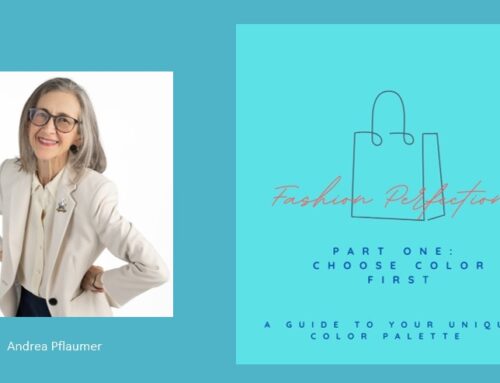
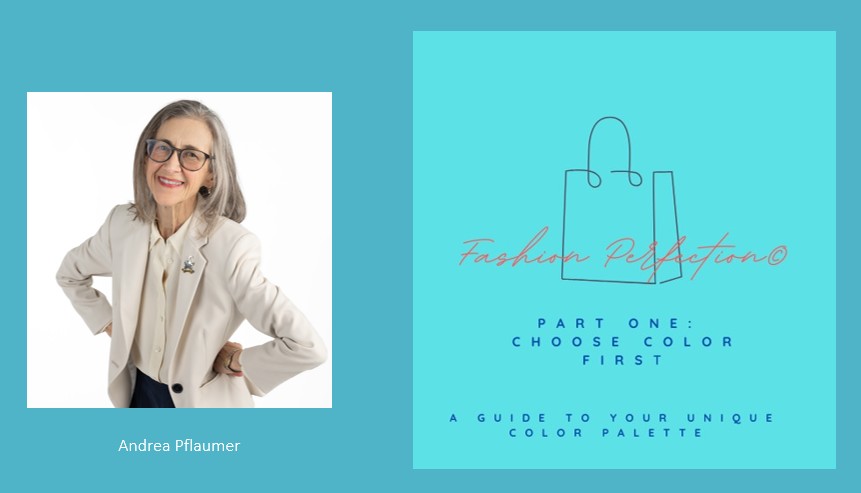
 That was the genesis of my new course, Choose Color First.
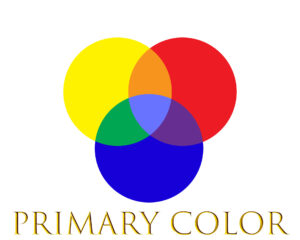
My approach was to explain the color analysis process for laypersons starting with something that art students learn in Art 101: color theory. Learning about this, which was something John and I never discussed, made me fall in love with color even more. There’s nothing I value like understanding the “why” of a subject. It really makes the material “stick”.
My new objective became to simply empower my viewers with the tools to help them recognize and then to use their best colors successfully. That was how the individual sections of this course evolved.
So let’s look at the very first one.
Why Color Matters
If you have been influenced by social media lately you’d think we live in a very sad world, and you can certainly find multiple examples to support that belief. If for no other reason, it’s in our own best interest to do whatever we can to create and project some joy. And one of the simplest and most joyful things we can do is to wear our best colors.
Research indicates that the effect of wearing “pretty” (a subjective term, but here we can substitute “your best”) colors triggers your brain and entire nervous system to generate and release “happy” hormones. So, in this way color becomes therapeutic. That elevated effect can last throughout the entire day. And, over time, the habit of wearing colorful clothing appears to have a more cumulative and sustained effect.

Another benefit is that showing up colorfully generates positive social feedback. What that means is that when you wear colorful clothing that matches your color markers and personality, it elevate the mood of those you encounter. They are uplifted and you can sense it. That improves your own mood and self-confidence. It just creates a terrific positive feedback loop.
So, the first section of the course offers a challenge to embrace the idea of wearing color, to include but not lean too heavily into neutrals, to play with color and have fun in the process.
Here is the link to Choose Color First. If you want to save more than $55 on the course, you have five more days to do that before it reverts to the original cost. And Teachable offers a 7-day moneyback guarantee.
Tomorrow I’ll go into some detail about the next sections of the course that address the “how” of creating a color palette.
Take excellent care,
Andrea
Andrea’s books and new video series: